Ultrasound
Ultrasound lets us gently check your pet’s organs without needles or surgery, helping us spot problems early, keeping them comfortable and healthy.
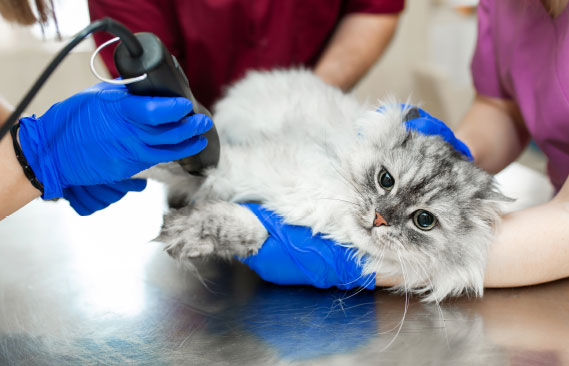
Ultrasound — seeing what your pet can’t tell you
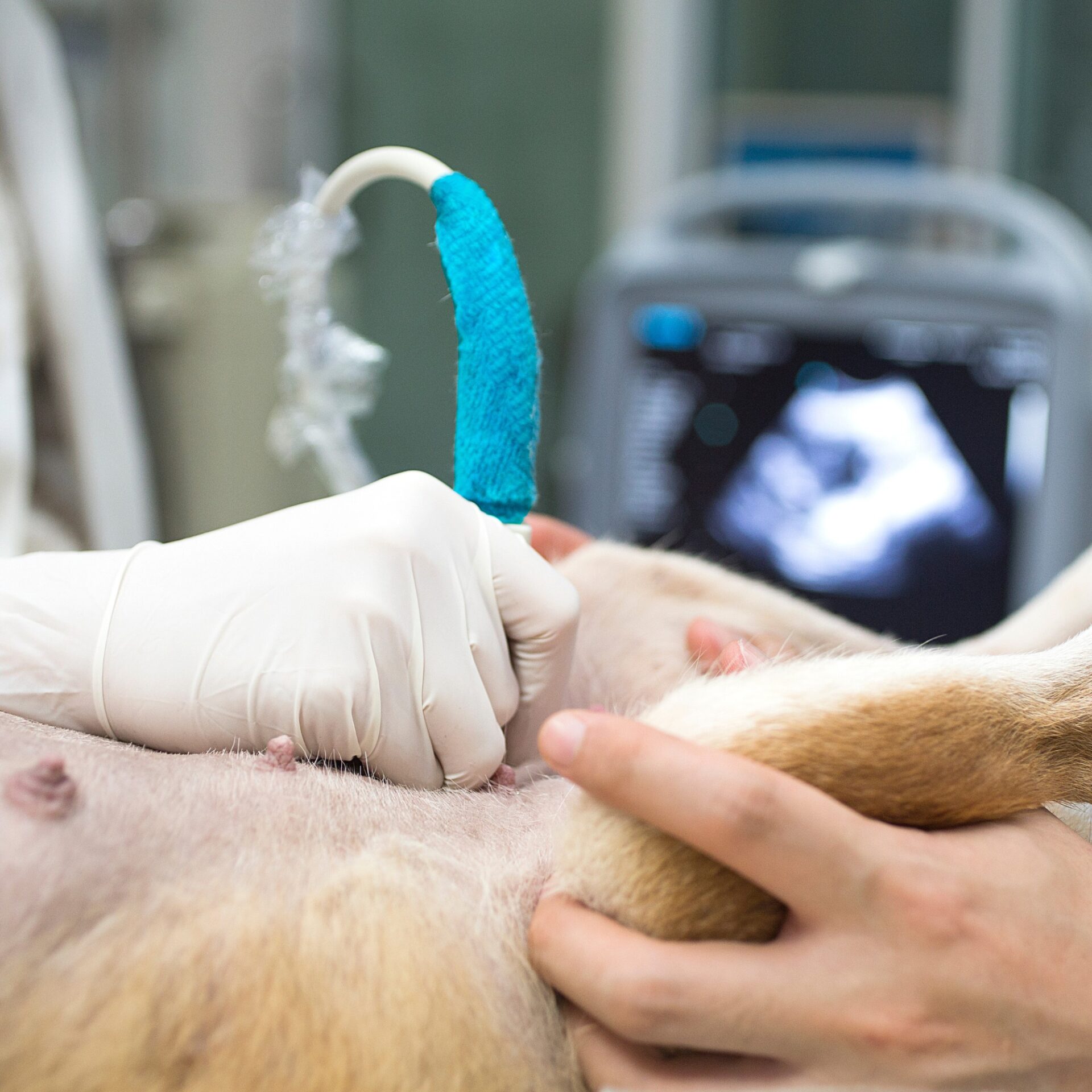
Ultrasound lets us safely “look inside” your pet’s chest and abdomen using sound waves instead of surgery. It’s especially helpful for checking the liver, kidneys, bladder, stomach, intestines and reproductive organs, and for investigating issues like vomiting, weight loss, changes in eating and drinking or suspected pregnancy.
The good news: Most pets find the scan calm and low-stress, and many don’t need sedation. If we do recommend a light sedative, we’ll monitor them closely and clearly explain what we see and the recommended next steps.
Clues your pet may need a closer look inside
Sometimes the best way to understand what’s going on is to look beyond the surface. In these situations, we may suggest an internal scan to find clear answers and guide the right care.
Ongoing tummy upsets that keep coming back
Sudden or unexplained weight changes
A swollen or uncomfortable belly
Changes in appetite or how much they drink
Trouble passing urine or unusual accidents
Low energy, hiding more, or not wanting to play
Checking on babies during pregnancy or after a mating
Small check ups that keep you in the loop
Keeping an eye on a few simple things at home helps us decide when a scan might be useful and can make any visit feel calmer and more prepared.
Watch their tummy shape
Notice if their belly looks rounder, tighter or more uncomfortable than usual, especially if this comes on suddenly.
Keep track of appetite & drinking
Make a mental note if they go off their food, seem unusually hungry, or start drinking much more or less than normal.
Notice energy and toileting changes
Slowing down, hiding more, straining to wee or poo, or having accidents can all be helpful clues to mention when we see your pet.
FAQs on Ultrasound
Not every problem shows on the outside, and needs to be looked at a little closer
A scan lets us check several organs at once, helping us quickly narrow down the cause of your pet’s symptoms and choose the right path forward.