Radiography
When something isn’t quite adding up on a physical exam, radiography helps us see the full picture and assist you in making confident decisions about your pet’s care.
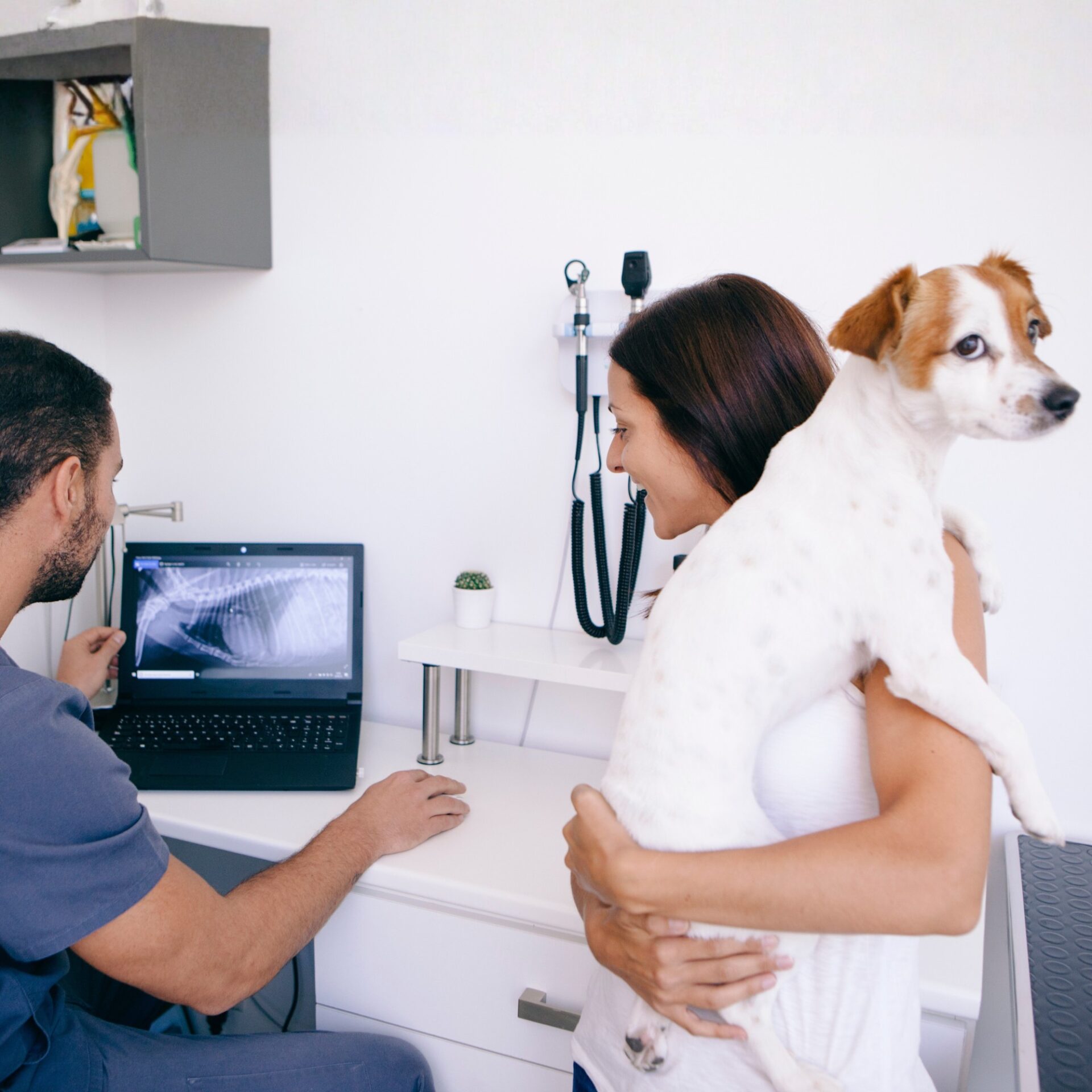
Radiography, seeing more so we can treat better
Radiography (X‑rays) is one of the most helpful ways we have to look inside your pet without surgery. It lets us check their bones, joints, chest and internal organs so we can pick up things such as fractures, swallowed objects, lung changes and heart enlargement etc. more accurately.
We use modern X‑ray equipment and perform every procedure with your pet’s comfort and safety in mind.
Your vet will explain why X‑rays are needed and walk you through the images and next steps.
Signs your pet may need X‑rays
Some problems are hard to spot from the outside. If you notice any of these changes, it may be worth chatting with us about whether X‑rays could help.
Lameness or limping that doesn’t improve
Sudden pain after a fall, jump or accident
Swollen or painful limb, joint or paw
Ongoing cough, breathing changes or reduced stamina
Tummy pain, vomiting or straining to go to the toilet
Firm or growing lump that your vet wants to investigate
Ongoing illness where blood tests alone haven’t given clear answers
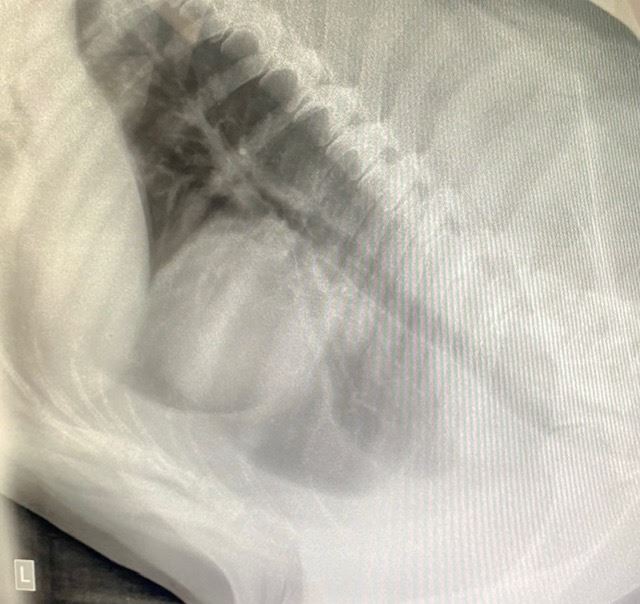
Making X‑ray days a little easier
A little preparation and aftercare help X‑rays go smoothly and keep your pet as calm and comfortable as possible.
Before your visit
We’ll let you know if your pet needs to skip breakfast, arrive at a set time or stay for the day. Following these instructions helps us get clear images safely.
Keeping your pet calm
Gentle handling, quiet spaces and, if needed, light sedation help your pet stay still and relaxed so we can take accurate X‑rays.
After the X‑rays
Once imaging is done, your vet will go through the results with you and discuss treatment options, next tests or when we’d like to recheck your pet.
FAQs on Radiography
A single X‑ray can show us what exams can’t
Clear X‑rays help us see what’s going on beneath the surface, from sore joints to swallowed objects, so we can plan the safest, most effective treatment for your pet.