Clinical Pathology
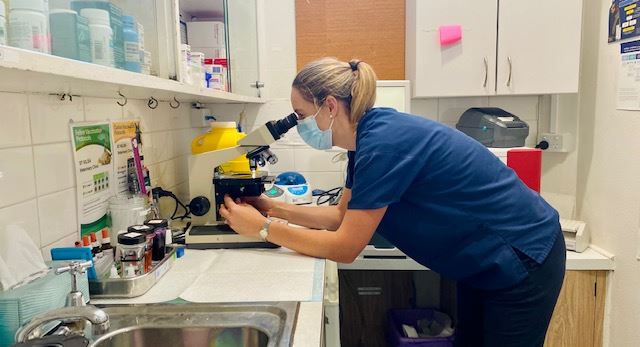
Our on‑site laboratory means we can run most tests here at the clinic, turning blood, urine and other samples into clear answers faster so your pet gets timely, targeted treatment.
Clinical pathology support for faster, clearer diagnosis
Clinical pathology helps us look beyond what we can see in the consult room by carefully analysing blood, urine, faecal and tissue samples. By running many of these tests on-site, we can review results promptly and use that information to understand what’s really going on with your pet’s health.
It also helps us monitor ongoing conditions and check that treatments are working as expected, so your pet’s care stays on track over time.
“Good treatment starts with a clear diagnosis. Same-day results aren’t just convenient, they often mean we can start the right treatment that afternoon, not next week.”
A full diagnostic toolkit, on-site
Our in-house pathology lab covers the tests we use every day, with specialist partners ready when we need them.
Blood tests & chemistry
Full blood counts, organ function panels, electrolytes, thyroid screens and pre-anaesthetic profiles. The single most useful window into what’s going on inside.
Urinalysis & faecal tests
Urine analysis (including concentration, protein, sediment, and culture) and faecal testing help diagnose kidney, bladder, metabolic, parasitic, and digestive conditions.
Cytology, biopsy & cultures
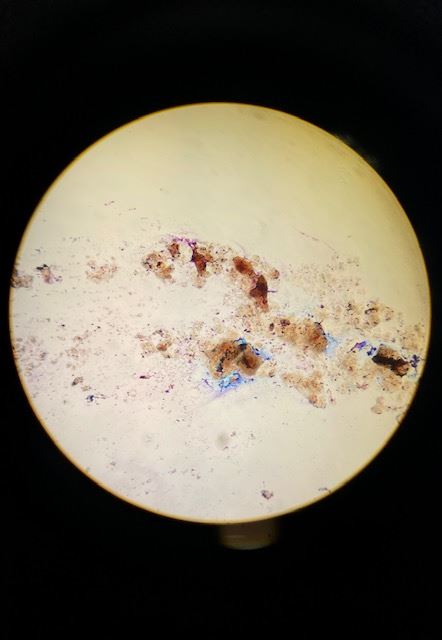
Microscopic examination of lumps, fluids, and tissues, along with bacterial and fungal cultures and infectious disease testing, provides the detail needed to guide the right treatment plan.
Worried something isn’t right?
Schedule a diagnostic consultation to determine the underlying condition. Same-day results are provided where possible to support timely clinical decision-making.
Diagnostic testing to support better treatment decisions
Lab work detects changes that are not evident on physical examination. It is used when pets are acutely unwell, before surgery, to investigate lumps or masses, to monitor seniors, and to manage chronic or emergency conditions.
Your pet is unwell and we need a fast, accurate diagnosis
We’re checking organ function before an anaesthetic or surgery
A lump or mass needs identifying before we plan treatment
A senior wellness screen flags subtle changes to monitor
We’re managing a long-term condition like diabetes, kidney disease or thyroid disease
An emergency case needs immediate answers to guide treatment
A clear pathway through lab testing
We follow a clear process that’s designed to keep your pet comfortable and keep you fully informed at each step. This is what a typical pathology visit looks like in our clinic.
Consultation & plan
We perform a thorough physical examination, review your pet’s history and discuss your concerns, then recommend only the laboratory tests, that are clinically appropriate for their situation if required.
Sample collection
Blood, urine or tissue samples are collected using gentle, well-practised techniques with most procedures completed in just a few minutes.
In‑clinic laboratory assessment
Where possible, samples are processed in our on‑site laboratory, allowing many results to be available the same day, helping us make timely decisions about treatment.
External lab where needed
If more advanced testing is indicated, we send samples to veterinary reference laboratories and provide you with an expected turnaround time for results.
Results review and treatment planning
Once results are available, we interpret the findings, explain them in plain language, and outline any recommended treatment or monitoring so you know exactly what happens next.
FAQs about lab tests for pets
Pathology is where the puzzle pieces come together
Careful blood and urine tests give us clearer answers so we can treat your pet. If you’d like to discuss testing or next steps, please get in touch.