Brachycephalic breed
Brachycephalic breeds (like pugs, bulldogs and Cavalier King Charles spaniels) are adorable for their flat, squishy faces, but their unique anatomy can make everyday breathing a real struggle.
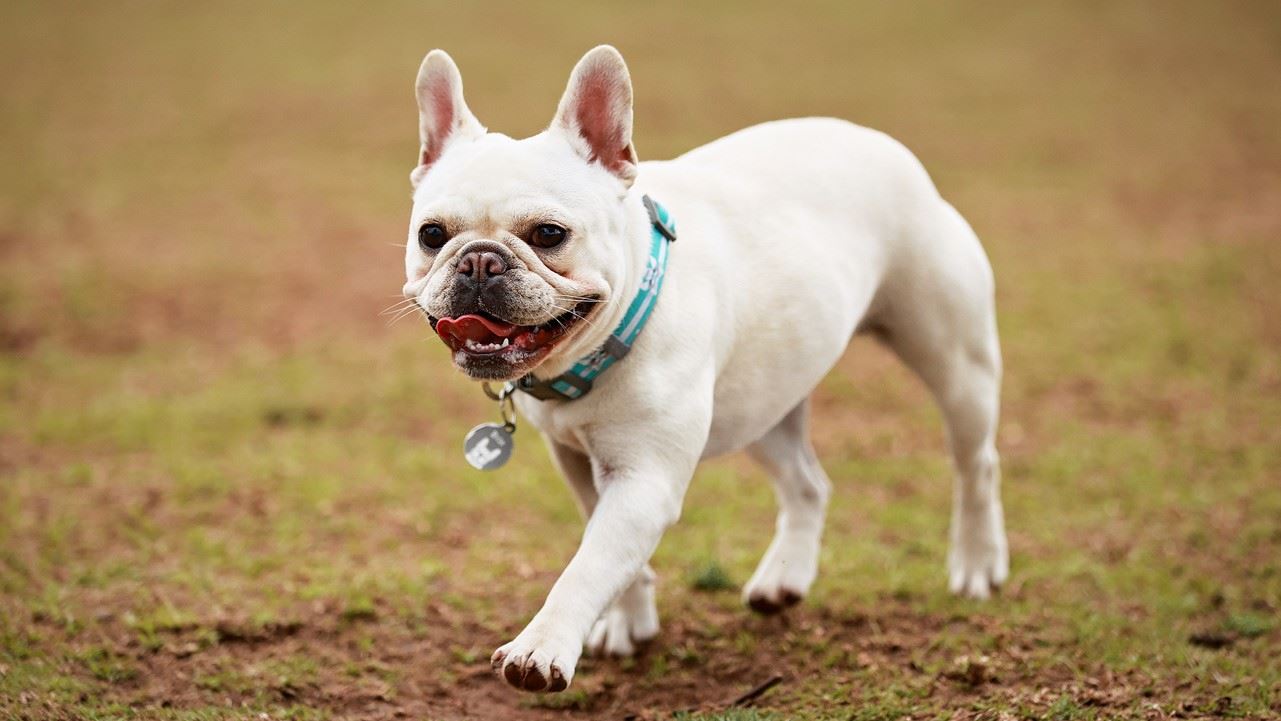
Brachycephalic breeds — support for flat-faced pets
“Brachycephalic” simply means short-headed. The skull is compressed, but the soft tissue inside the nose and throat isn’t, so airways get crowded, narrowed and partly blocked. The result is a cluster of problems vets call Brachycephalic Airway Syndrome (BAS).
Many owners think snoring, snorting and getting puffed quickly is “just how the breed is”. It isn’t. Those sounds are the noise of a pet working harder than they should to breathe, and over time it takes a real toll on their heart, sleep, gut and quality of life. The good news: with a proper assessment, and surgery when it’s needed, most flat-faced pets can breathe dramatically better.
“If your dog snores loudly, tires quickly on walks, or struggles in the heat, please come and see us. A proper BAS assessment is one of the kindest things you can do for a flat-faced breed.”
Signs your flat-faced pet may have BAS
A bit of snoring can be normal for brachycephalic pets, but the signs below suggest their airway is under real strain and it’s time to talk to your vet.
Loud, persistent snoring — awake or asleep
Noisy, raspy or open-mouth breathing at rest
Gets puffed quickly, can’t keep up on walks
Struggles in warm weather or after light exercise
Gagging, retching or bringing up froth and food
Restless sleep, waking suddenly, sleeping sitting up
Blue or purple-tinged gums or tongue (cyanosis) — urgent
Collapse or fainting episodes — urgent

The three problems behind most BAS cases
Most brachycephalic pets with breathing trouble have a mix of a few common airway problems. The cards below explain these changes in simple terms, and how gentle surgery can help them breathe more easily.
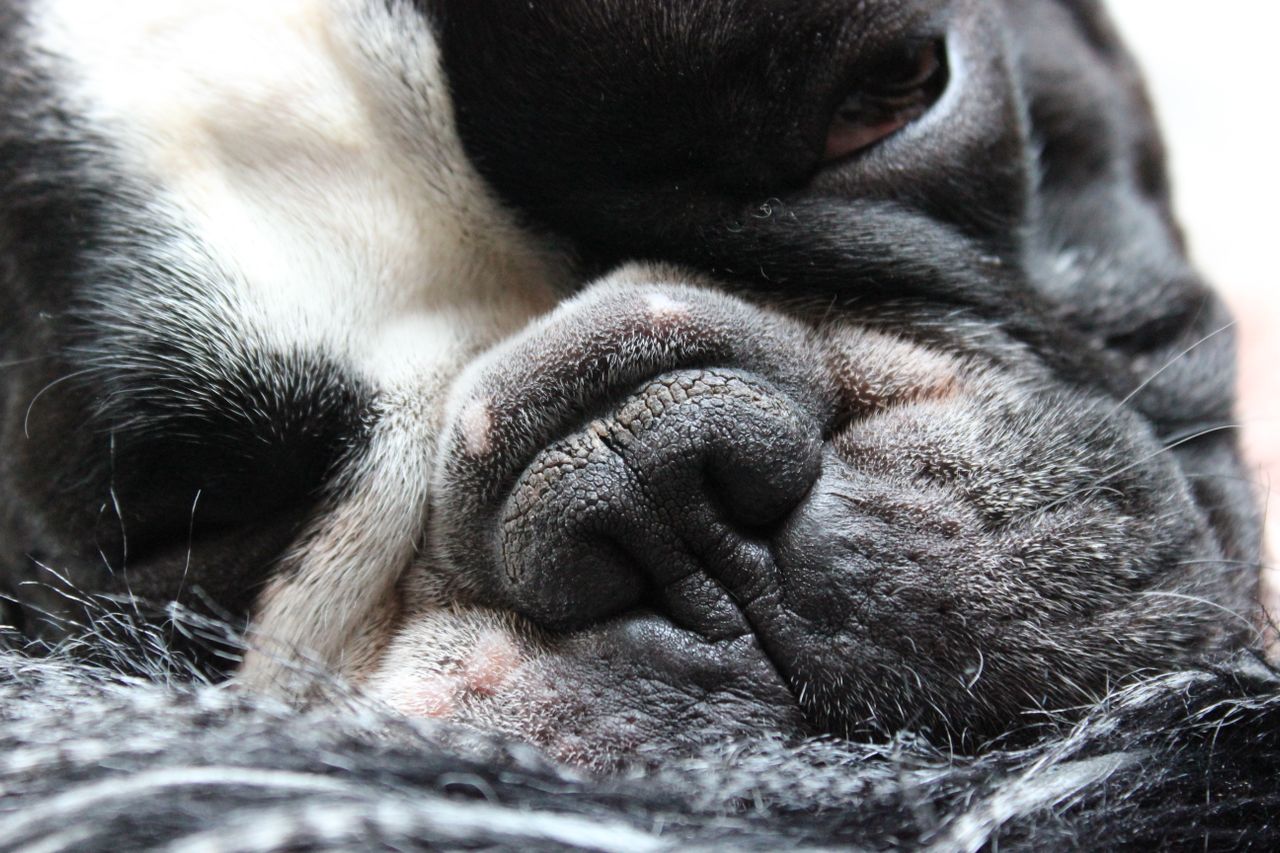
Stenotic nares
These are very narrow nostrils, which means your pet has to work harder just to pull air in through the nose. A small surgical procedure can widen the nostrils and make breathing much easier.
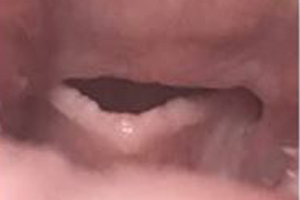
Elongated soft palate
The soft palate is the tissue at the back of the mouth, and in many flat‑faced pets it is too long. This extra tissue can partly block the airway, especially when they’re breathing hard or getting excited.
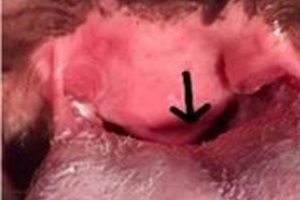
Everted laryngeal saccules
These are small soft tissue pockets near the voice box that can get pulled into the airway over time. When that happens, it often adds to the blockage and makes breathing even more difficult.
How a BAS assessment and surgery works
Brachycephalic pets need extra care under anaesthetic, so we plan each step carefully and monitor your pet the whole way through.
Initial consultation
We start by getting to know your pet’s breathing, sleep, exercise tolerance and day-to-day signs at home. We’ll also examine their nostrils, mouth and overall health to build the right plan.
Pre-anaesthetic checks
Before any procedure, we may recommend blood tests and other checks to make sure your pet is ready for anaesthesia. Flat-faced breeds need extra care, so we custom the plan to their individual needs.
Airway assessment
Once your pet is under anaesthesia, we can properly assess the structures inside the airway that are difficult to see while they’re awake. This helps us confirm what’s causing the obstruction and what treatment is needed.
Corrective surgery
If surgery is recommended, we perform the required airway corrections here at the clinic. This may include widening the nostrils, shortening the soft palate, or addressing other tissues affecting airflow.
Recovery and aftercare
After surgery, your pet is closely monitored as they wake and recover. We’ll send you home with clear aftercare advice, feeding instructions and a follow-up plan to support a smooth recovery.
Living life to the full with a brachycephalic pet
With a few everyday habits, flat‑faced pets can stay safer, cooler and more comfortable at home, on walks and during exercise.
Keep them cool
Flat-faced breeds can’t pant efficiently to lose heat. Walk in the cool of the morning or evening, avoid hot cars and footpaths, and watch closely on humid days. Heatstroke is a real emergency in these breeds.
Harness, not collar
Pressure on the throat makes a narrowed airway worse. A well-fitted Y-front harness spreads the load across the chest and lets your pet breathe and walk comfortably.
Lean and lifted
Extra weight crushes the airway and makes BAS dramatically worse. Keeping your pet at an ideal weight, and feeding from a slightly raised bowl, reduces reflux and effort.
FAQs about brachycephalic breeds
Quiet breathing shouldn’t be a luxury for flat‑faced pets.
If your brachycephalic dog snores loudly, tires quickly or struggles in the heat, a BAS assessment can be the start of them breathing easier.